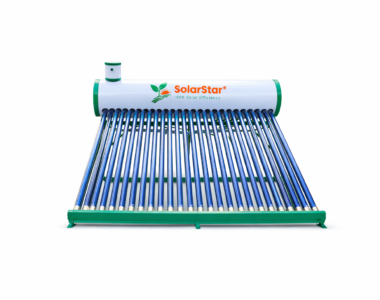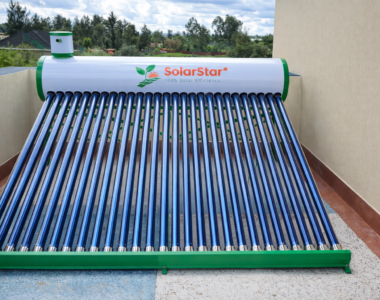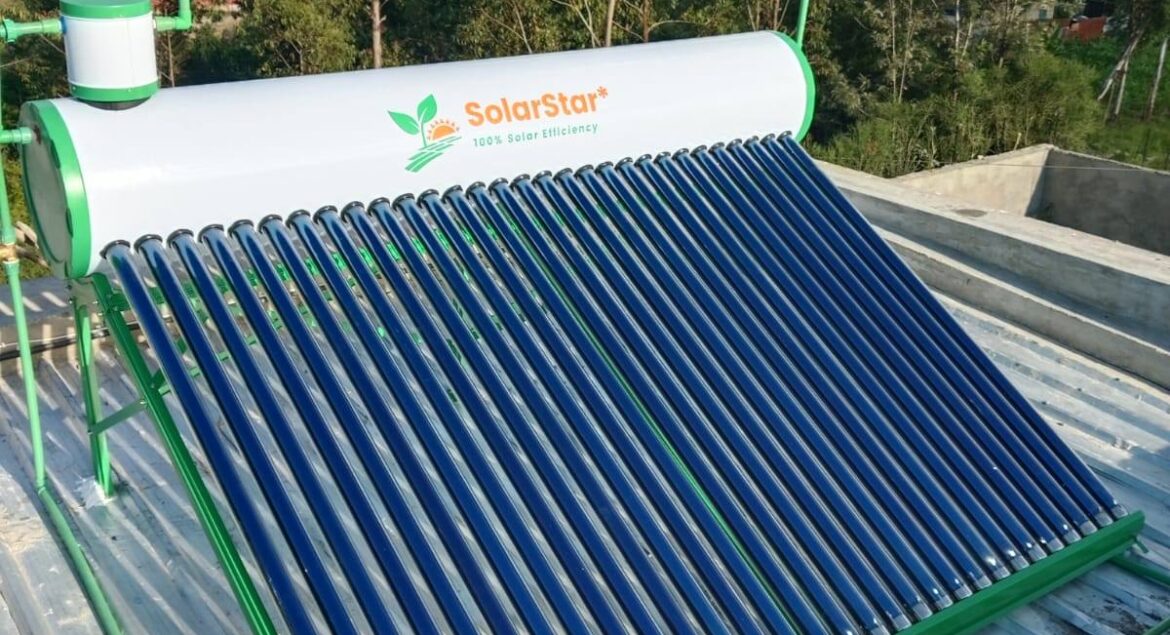
Why Every Kenyan Home — Urban or Rural — Should Install a Solar Water Heater .
In Kenya today, energy costs are rising, power outages still occur, and households are looking for smarter ways to cut expenses. One solution stands out for both urban apartments in Nairobi and rural homes upcountry: installing a solar water heater.
Whether you live in the city or in the village, a solar water heater is no longer a luxury — it’s a practical, cost-saving investment.
1. Drastically Reduce Your Electricity Bills
Water heating is one of the biggest contributors to high electricity bills in Kenyan homes. Electric showers, instant heaters, and immersion heaters consume a lot of power.
By installing a solar water heater:
-
You reduce reliance on electricity for heating water.
-
You cut monthly power bills significantly.
-
You protect your household from future tariff increases.
In areas served by Kenya Power, electricity costs continue to fluctuate due to fuel and forex adjustments. A solar water heater shields you from these unpredictable changes.
For homes using tokens or postpaid billing, the savings are immediate and noticeable.
2. Kenya Has Abundant Sunshine — Use It!
Kenya is blessed with strong sunlight throughout the year. From Nairobi to Mombasa, from Kisumu to rural counties like Eldoret, solar energy is available almost every day.
Why pay for electricity to heat water when the sun can do it for free?
Even during cloudy days, modern solar water heating systems retain heat effectively, ensuring you still enjoy warm water.
3. Reliable Hot Water — Even During Blackouts
Power outages can disrupt daily routines — especially early morning showers or evening baths.
A solar water heater:
-
Works independently of the grid.
-
Stores hot water in insulated tanks.
-
Provides reliability when electricity is unavailable.
For rural homes where grid power may be unstable or unavailable, solar water heaters eliminate the need for firewood or charcoal for heating water — improving convenience and safety.
4. Environmentally Friendly and Sustainable
Climate change is a growing concern globally and locally. Kenya has committed to increasing renewable energy usage, and households can play a part.
Solar water heaters:
-
Reduce carbon emissions.
-
Lower demand on hydro and thermal power stations.
-
Support Kenya’s renewable energy goals.
By switching to solar, you are contributing to a cleaner environment for future generations.
5. Increases Property Value
For homeowners and real estate developers, installing a solar water heater adds value to the property.
Many modern apartments in Nairobi now include solar water heating systems because:
-
They attract environmentally conscious buyers.
-
They comply with energy efficiency regulations.
-
They reduce service charge complaints related to electricity costs.
A home with solar heating is seen as modern, cost-efficient, and future-ready.
6. Government Policy Supports It
The Energy and Petroleum Regulatory Authority (EPRA) requires certain buildings that consume significant hot water to install solar water heating systems.
This policy shows that solar heating is not just a trend — it is part of Kenya’s long-term energy strategy.
Installing a system early ensures compliance and positions your home ahead of regulations.
7. Long-Term Investment with High Returns
A quality solar water heater system can last 15–20 years with proper maintenance.
When you calculate:
-
Monthly electricity savings
-
Reduced maintenance compared to electric heaters
-
Long system lifespan
The return on investment becomes very attractive. Many homeowners recover their installation cost within a few years.
Urban vs Rural: Why It Makes Sense for Both
🏙 Urban Homes
-
High electricity bills
-
Frequent power interruptions
-
Apartment energy regulations
-
Increased property value
🌄 Rural Homes
-
Limited or unreliable grid access
-
Reduced need for firewood
-
Lower household fuel costs
-
Cleaner and safer living environment
Solar water heating works for both settings because sunlight is available everywhere in Kenya.